Why the narratives we love might be doing more psychological work than we realise
Have you ever noticed how certain stories seem to find you exactly when you need them? Perhaps you discovered The Lord of the Rings during a period when life felt overwhelming, and Sam’s unwavering loyalty reminded you that you weren’t carrying your burdens alone. Maybe you returned to Little Women after a family loss, finding comfort in the March sisters’ resilience through their own grief. Or possibly you found yourself drawn to superhero films during a time when your own sense of agency felt diminished.
These aren’t coincidences. Stories have a remarkable ability to meet us where we are emotionally. They offer exactly the psychological medicine we need. What we’re experiencing is bibliotherapy in its most natural form. It’s the healing power of stories working quietly in our lives.
The Psychology Hidden in Plain Sight
Every story we encounter carries psychological DNA. From the simplest children’s tale to the most complex novel, stories contain basic truths about human experience, strength, and healing. Psychologist Dr. Jerome Bruner identified two ways of thinking: logical and narrative. Logical thinking helps us understand facts. Narrative thinking helps us understand meaning. When we’re struggling, we don’t just need information. We need stories that help us make sense of our experiences.
Consider how naturally we frame our own lives as stories. “I’m going through a difficult chapter right now,” we might say, or “This feels like a turning point.” This isn’t just metaphor. It’s how our minds actually organise experience. Psychologist Dr. Dan McAdams shows that we build what he calls “narrative identity.” It’s an internal story that gives meaning to who we are and where we’re going.
When our personal stories become stuck or painful, other stories can offer us new possibilities. We see characters handle challenges like our own. We watch them try different responses and discover different endings. Stories become a safe place to explore “what if” without real consequences.
Fairy Tales as Emotional First Aid
Fairy tales have lasted for centuries not because they’re sweet old stories, but because they’re survival guides written in symbols. Child psychologist Bruno Bettelheim said these stories help us handle our deepest fears and wants safely.
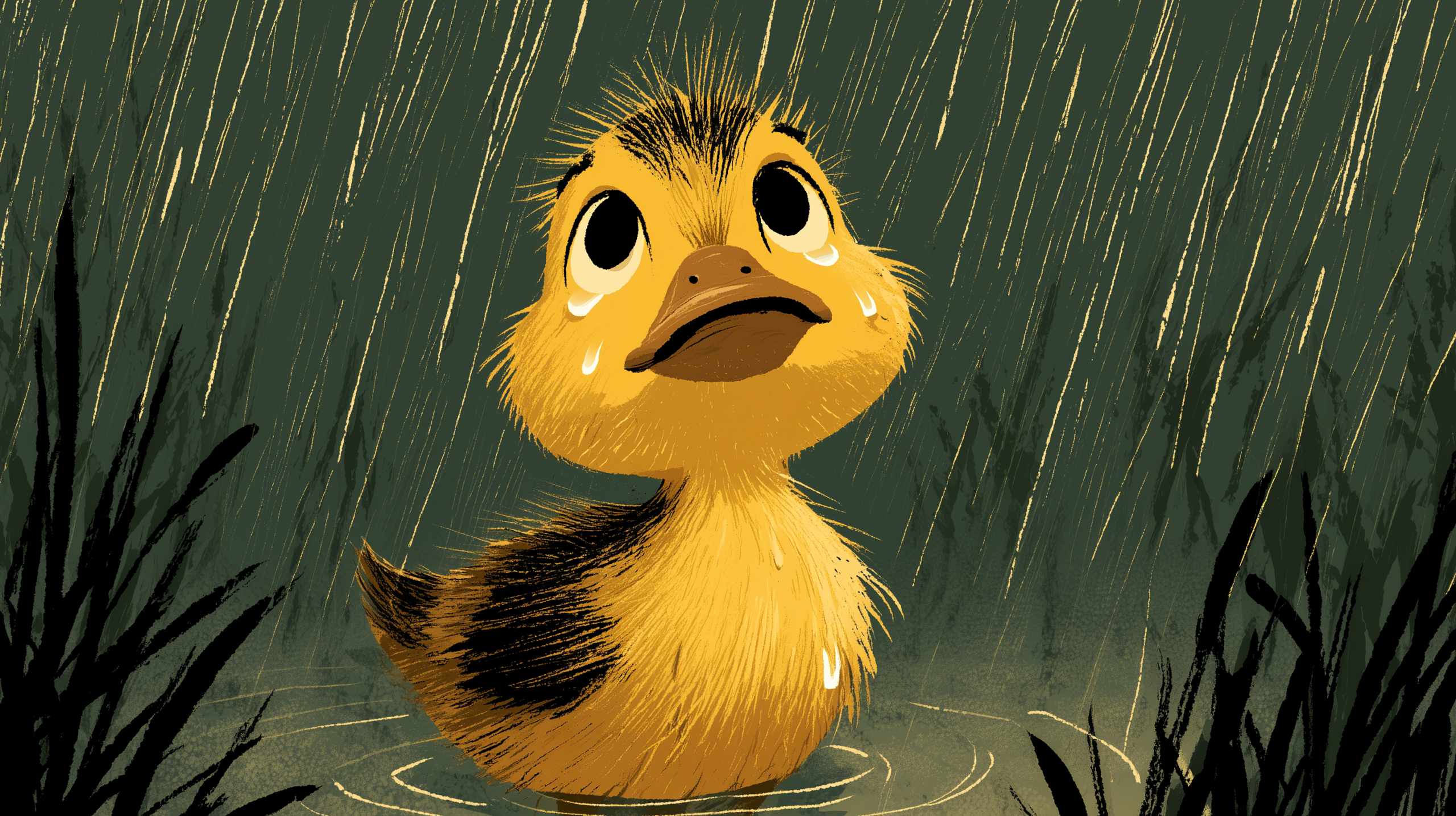
Take “The Ugly Duckling.” On the surface, it’s about a bird who doesn’t fit in. Psychologically, it speaks to anyone who has ever felt different, misunderstood, or out of place. The story doesn’t pretend rejection doesn’t hurt. The duckling really suffers. But it offers something important: the promise that being different might not be a problem to fix, but a strength waiting to be found.
The clever part is in how the story works. The duckling doesn’t change by trying to fit what others expect. Instead, he discovers his true nature. For people struggling with identity or belonging, this story offers a powerful alternative to the exhausting work of trying to become someone else.
Dr. Maria Tatar’s research on folk tales shows how these stories work as “emotional dress rehearsals.” They let us experience strong feelings like abandonment, anger, fear, and victory within a safe space. The symbolic distance means we can handle emotions that might overwhelm us if we met them directly.
The Therapeutic Architecture of Modern Stories
Modern stories continue this tradition, often with remarkable psychological skill. Consider how Harry Potter approaches trauma. Harry doesn’t simply “get over” his difficult childhood. Instead, J.K. Rowling shows us how past pain can exist alongside present growth. She shows how caring relationships can heal old wounds. She shows how choosing love over revenge becomes an ongoing practice rather than a one-time decision.
This matches what we know from trauma research. Dr. Judith Herman’s groundbreaking work shows that healing happens not through forgetting, but through integration. We learn to carry our experiences in a way that empowers rather than traps us. Harry’s journey shows this beautifully. It demonstrates that survival can grow into wisdom, and wounds can become sources of compassion.
Fantasy and science fiction are excellent at what psychologists call “perspective-taking.” When we follow characters through completely different worlds and situations, we exercise our ability to empathise and expand our sense of what’s possible. Research by Dr. David Kidd and Dr. Emanuele Castano found that people who read literary fiction score higher on tests of social intelligence and empathy than those who read popular fiction or non-fiction.
The Neuroscience of Narrative Healing
Modern brain imaging shows us the biological reasons behind story’s healing power. When we read or watch stories, multiple brain networks activate at the same time. The mirror neuron system fires as if we’re experiencing characters’ actions ourselves. The mentalising network, responsible for understanding others’ thoughts and feelings, becomes highly active. Most importantly, the brain’s default mode network connects story events to our own memories and experiences. This network is linked to self-reflection and meaning-making.
Dr. Paul Zak’s research on “narrative transportation” shows that engaging stories trigger the release of oxytocin, often called the “bonding hormone.” This brain chemical creates feelings of trust, empathy, and connection. These are exactly the conditions that promote psychological healing.
The implications are important. When we lose ourselves in a good story, we’re not escaping reality. We’re practising it. We’re rehearsing emotional responses, exploring moral questions, and expanding our sense of possible selves.
Beyond Entertainment: Stories as Medicine
Understanding how narratives heal opens up intentional applications for wellbeing:
Reading for Recovery: Bibliotherapy is the structured use of literature for healing. It’s gaining recognition in clinical settings. Reading about characters who face similar challenges can reduce isolation, provide coping strategies, and offer hope. The key is matching the right story to the right moment. Researchers call this “developmental bibliotherapy.”
Writing Our Way Through: Expressive writing, particularly story writing about difficult experiences, has been shown to improve both mental and physical health. Dr. James Pennebaker’s research shows that creating clear stories about traumatic events helps bring together fragmented memories and reduce their emotional impact.
Choosing Wisely: We can become more intentional about our story consumption. Ask yourself: Do the narratives I engage with expand or contract my sense of possibility? Do they reinforce limiting beliefs or challenge them? Do they nourish or deplete my emotional reserves?
Finding Your Mirrors: Pay attention to characters who resonate deeply with you. What are they struggling with? How do they find strength? What would it look like to approach your own challenges with their resilience or creativity?
The Protective Power of Narrative
One of story’s most remarkable gifts is its ability to help us rethink difficulty. Research on post-traumatic growth shows that people who create meaningful stories about their challenges often come out stronger than before. Stories provide templates for this meaning-making process.
Consider how many well loved characters are defined not by their suffering, but by how they respond to it. Elizabeth Bennet’s wit helps her handle social constraints. Hermione Granger’s intelligence becomes her superpower. Samwise Gamgee’s loyalty transforms him from sidekick to hero. These characters show what psychologists call “benefit-finding.” It’s the ability to discover strength, wisdom, or connection through difficulty.
This doesn’t mean making light of pain or suggesting that trauma is somehow good. Rather, it acknowledges that humans have remarkable capacity for growth, and stories help us recognise and develop that capacity.
Stories as Bridges
Perhaps most importantly, stories create bridges between our inner and outer worlds. They help us recognise that our struggles are simultaneously deeply personal and universally human. The loneliness that feels so isolating becomes more bearable when we see it reflected in characters we love. The courage that feels impossible becomes more accessible when we’ve witnessed others find it.
Dr. Arthur Kleinman, a medical anthropologist, writes about “explanatory models.” These are the stories we tell to make sense of illness and suffering. The stories available to us shape not just how we understand our experiences, but how we respond to them. Rich, complex stories expand our range of responses and possibilities.
Becoming Our Own Authors
As you consider the stories that have shaped you, perhaps reflect on these questions: Which narratives have offered you comfort during difficult times? What stories have expanded your sense of what’s possible? If you were to write the next chapter of your own story, what themes would you want to explore?
The healing power of story reminds us that we are both readers and authors of our own lives. We can choose which stories to invite in, which characters to learn from, and how to frame our own experiences. In a world that sometimes feels chaotic and meaningless, stories offer something precious. They remind us that our lives have meaning, that our struggles matter, and that change is always possible.
Every time we lose ourselves in a story, we’re participating in one of humanity’s oldest and most powerful healing traditions. We’re discovering that the tales we tell—and the tales that tell us—might be the medicine we’ve been seeking all along.
If you’re experiencing significant emotional distress, please consider speaking with a qualified mental health professional. Stories can complement therapeutic support, but they’re not a substitute for professional care when it’s needed.
References and Citations
Bettelheim, B. (1976). The Uses of Enchantment: The Meaning and Importance of Fairy Tales. Knopf.
Bruner, J. (1986). Actual Minds, Possible Worlds. Harvard University Press.
Herman, J. L. (1992). Trauma and Recovery: The Aftermath of Violence–From Domestic Abuse to Political Terror. Basic Books.
Kidd, D. C., & Castano, E. (2013). Reading literary fiction improves theory of mind. Science, 342(6156), 377-380.
Kleinman, A. (1988). The Illness Narratives: Suffering, Healing, and the Human Condition. Basic Books.
McAdams, D. P. (2011). The Stories We Live By: Personal Myths and the Making of the Self. Guilford Press.
Pennebaker, J. W. (1997). Opening Up: The Healing Power of Expressing Emotions. Guilford Press.
Tatar, M. (2003). The Hard Facts of the Grimms’ Fairy Tales. Princeton University Press.
Zak, P. J. (2015). Why inspiring stories make us react: The neuroscience of narrative. Cerebrum, 2015, 2.
Further Reading
Essential Books:
- “The Healing Power of Stories” by Daniel Taylor – A compassionate exploration of how personal and cultural narratives shape our capacity for resilience and recovery.
- “Reading for the Love of It” by Michele Landsberg – Whilst focused on children’s literature, this book beautifully articulates how stories nurture emotional development and healing throughout life.
- “The Story of Your Life” by Matthew Salesses – A practical guide to understanding how narratives shape identity and how we can consciously craft more empowering personal stories.
- “Bibliotherapy: The Girl’s Guide to Books for Every Phase of Our Lives” by Nancy Peske and Beverly West – A delightful, accessible introduction to choosing books for emotional support and growth.
- “The Uses of Stories” by various authors in The Lancet – A collection of medical professionals exploring how narrative medicine enhances healing in healthcare settings.
Online Resources:
- The Center for Narrative Medicine at Columbia University: Research and resources on storytelling in healthcare
- Reading Well scheme (UK): Curated book collections for mental health and wellbeing support
Leave a Reply